

What Are the Benefits of Installing Radiant Floor Heating in Your Home?
When it comes to home heating solutions, radiant floor heating is gaining popularity due to its comfort, energy efficiency, and sleek design. Whether you are renovating your home or building a new one, radiant floor heating offers a variety of advantages that can enhance your living space. In this article, we’ll explore the key benefits of installing floor heating and why it could be the perfect solution for your home.
What Is Radiant Floor Heating?
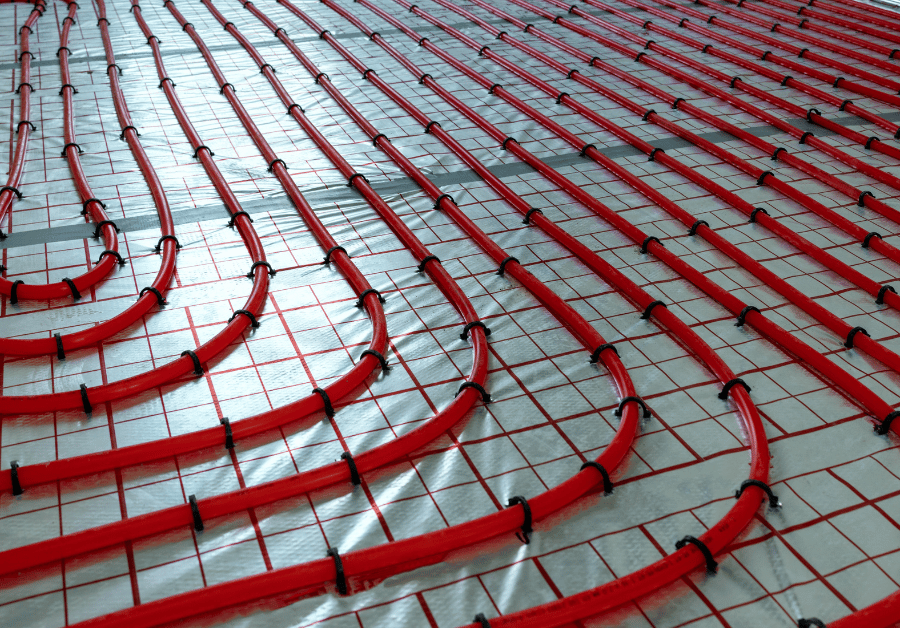
Radiant floor heating is an energy-efficient heating system that involves running warm water or electric heating cables beneath the floor surface. The heat radiates from the floor upwards, warming the room from the ground up. This creates a comfortable, consistent warmth without the need for traditional heaters or radiators. There are two types of radiant floor heating: hydronic (which uses hot water) and electric (which uses cables or mats).
The Benefits of Radiant Floor Heating
1. Even and Consistent Heating
One of the standout benefits of radiant floor heating is the even distribution of heat. Unlike traditional heating systems that rely on forced air or radiators, radiant floor heating warms the room from the floor up, ensuring that the heat is evenly distributed throughout the space. This eliminates cold spots and creates a comfortable environment, making your home feel warmer without the need for constant adjustments.
2. Increased Comfort
Radiant floor heating offers a level of comfort that traditional heating methods cannot match. The warmth radiates from the floor, providing a more natural and soothing heat. You won’t experience the dry air associated with forced air heating systems, and the warmth stays close to your body, making it feel more pleasant. Imagine waking up on a cold winter morning and stepping onto a warm floor—this is the level of comfort radiant floor heating offers.
3. Energy Efficiency
Radiant floor heating is one of the most energy-efficient heating systems available. Since the heat is radiated directly from the floor, there is no energy loss through ducts, as there is with forced-air systems. Additionally, radiant floor heating allows for lower thermostat settings, which can reduce overall heating costs. Because of the even distribution of heat, rooms are warmed faster and more efficiently, reducing the time your heating system needs to run.
4. Improved Air Quality
Traditional heating systems can circulate dust, allergens, and other particles throughout the home, which can affect indoor air quality. With radiant floor heating, since there are no ducts or vents, there is less opportunity for dust and allergens to be disturbed and circulated into the air. This creates a cleaner, healthier living environment, especially for people with allergies or respiratory issues.
5. Space-Saving Design
Radiant floor heating is a discreet heating solution that doesn’t take up any valuable wall or floor space. Unlike traditional radiators or space heaters, which can be bulky and require significant space, radiant floor heating is installed beneath the floor, hidden from view. This allows you to maximize your living space and create a more aesthetically pleasing environment without the distraction of visible heating elements.
6. Low Maintenance
Once installed, radiant floor heating requires minimal maintenance. With no moving parts, fans, or vents, the system is less prone to wear and tear compared to traditional heating systems. If you choose a hydronic system, it may require occasional checks for leaks, but otherwise, floor heating is relatively maintenance-free. This makes it a hassle-free and reliable option for long-term heating.
7. No Noise
Another major benefit of radiant floor heating is the absence of noise. Traditional heating systems, particularly forced-air models, can be noisy when they cycle on and off, producing drafts or creating an uncomfortable atmosphere. floor heating operates silently, providing a peaceful and quiet environment in your home. This makes it especially ideal for bedrooms or other quiet areas where peace and tranquility are important.
8. Flexible Installation
Radiant floor heating can be installed in almost any room of the house, including bathrooms, kitchens, living rooms, and even basements. It’s particularly beneficial in rooms with hard floors, such as tile, stone, or hardwood, which conduct heat well. You can install floor heating in new construction or during a renovation, giving you flexibility when planning your home heating system.
9. Increased Home Value
Installing radiant floor heating can increase the value of your home. Not only is it an attractive feature for potential buyers, but it’s also a sign of energy efficiency and modern comfort. Homes with radiant heating systems tend to stand out in the real estate market, offering an edge in terms of both functionality and aesthetic appeal. It’s an investment that can pay off if you ever decide to sell your home.
10. Better Control Over Heating
With radiant floor heating, you can achieve better control over the temperature in each room. Some systems allow for individual zoning, meaning that you can heat specific areas of your home to different temperatures based on usage. For example, you can keep your living room warmer while maintaining a cooler temperature in the bedrooms. This customized heating solution can result in even greater energy savings and comfort.
How to Maintain Radiant Floor Heating
While radiant floor heating systems are relatively low-maintenance, it’s still important to perform regular checks to ensure everything is working properly. Here are some tips for maintaining your system:
- Check for leaks: If you have a hydronic system, check for leaks or cracks in the pipes periodically. Water damage can occur if there is a significant leak in the system.
- Ensure proper insulation: Proper insulation beneath the floor is essential for the efficiency of the system. Make sure the insulation is intact to prevent heat loss and ensure even warmth.
- Clean the system: For electric systems, it’s a good idea to periodically clean the floor above the heating elements to ensure no debris is obstructing the heat flow.
Conclusion
Radiant floor heating offers a range of benefits that can transform the way you heat your home. From increased comfort and energy efficiency to improved air quality and space-saving design, this innovative heating solution has much to offer. Whether you’re building a new home or renovating an existing one, floor heating can enhance your living environment and provide lasting comfort for years to come.
FAQs
1. Is radiant floor heating expensive to install?
The installation cost of floor heating can be higher compared to traditional heating systems, but the long-term energy savings often offset the initial investment. The cost will depend on the size of the area being heated, the type of system chosen, and the complexity of the installation.
2. Can radiant floor heating be installed in existing homes?
Yes, floor heating can be installed in most existing homes, although retrofitting may require some additional work, such as lifting or replacing flooring. Electric systems are easier to install in existing homes, while hydronic systems might be more suitable for new builds or extensive renovations.
3. How long does radiant floor heating last?
With proper maintenance, floor heating systems can last for decades. Electric systems typically last around 30 years, while hydronic systems can last even longer with minimal issues.
4. Can I control the temperature of radiant floor heating?
Yes, floor heating systems can be controlled with thermostats. Many systems allow you to set different temperatures in different rooms or zones, providing greater control over your home’s heating.
